Genre and readers
How to find your genre (and why it sets you free)
New writers often feel overwhelmed by the question of which genre to write. There are so many choices – what if you pick wrong? Maybe it even feels restrictive – a choice you don’t want to make. But this choice doesn’t have to feel so daunting if you break it down, and rather than restricting you, we’d like to show you how knowing your genre can actually set you free.
What is genre?
Genre is the category your story falls into, for instance crime, romance or fantasy. Each genre has its own conventions of plot, character, themes, setting and style. Within each genre are smaller sub-genres with particular twists on the broader category, for instance cosy crime is a sub-genre of crime involving an amateur detective and an appealing setting.
You probably know a lot more than you realise about genre.
You probably know a lot more than you realise about genre.
In which genre might you find a detective investigating a string of murders?
What about a girl riding a dragon into battle?
If you answered crime and fantasy, you win! But which of these characters is most likely to have a drinking problem and a broken marriage? Who has purple eyes and cooks on an open fire? Do either of them have a problem with authority? (Our answers in order: the detective, the dragon rider, both.)
We pick up so much from the culture around us – books, films and TV that have surrounded us since childhood. We hope this shows how distinctive genres are, and how achievable the task of understanding what readers want from the one you choose is. It also shows that the overwhelming majority of readers and viewers are looking for stories within recognisable genres, and that’s why commercial fiction – i.e. fiction created with a large audience in mind – is often referred to as ‘genre fiction’. Readers pick genres they already know they love – it gives them confidence that they’re going to be properly entertained.
Why does knowing your genre set you free?
Each genre comes with a set of rules. This doesn’t sound particularly freeing. But what else comes with rules? Football, Monopoly, and every other game you’ve ever played. And think about these two examples: every game of football and Monopoly is completely different – it has its own highs and lows, its unexpected twists of fate.
If you know the rules of your genre, writing will feel more like a game. Rather than hemming you in, the rules become a creative playground within which you can be endlessly inventive, finding new ways to satisfy and surprise. Best of all, you need never feel the terror of the blank page, because you come to page one with a fairly good idea of the kind of world and people you want to create.
If your ultimate goal is to write something literary, genre should still be your starting point. You need to understand the rules to break them, and this is how you learn to write a whole book in months rather than years.
How do you find your genre?
For many writers, the answer is obvious, because they are voracious readers of one genre. The genre you know and love best should be the genre you write in. You’ll enjoy it. You’ll understand what readers want from it because you have absorbed those conventions as a reader. But for many writers, this feels like an impossible choice. They read across every genre: fiction, non-fiction, literary, commercial, crime, romance, sci-fi, and they love it all – they have ideas in every genre.
If you’re one of the latter, pay attention to how the books you’ve enjoyed recently are categorised on shelves, on Amazon and Goodreads. See if one genre stands out. Do the same with films and TV. Think about the ideas you’ve been toying with and try to categorise them – and to figure out which one makes you the most excited. Try comparing your ideas to the blurbs (descriptions) of bestsellers in their genres to see which one fits best alongside the bestselling examples.
Still feeling like a kid in a sweet shop? You might want to consider that some genres are more lucrative than others. If, like so many writers, you need to make money from your writing to justify the time it takes from all your responsibilities, choose the genre you love with the biggest audience.
It may sound obvious, but we don’t advise writing in a genre you don’t personally enjoy. It’s hard to create an authentic voice, or characters readers love, if you can’t tap into your own enjoyment, which provides a deep understanding of why readers love that genre.
If you still feel torn, don’t worry. Choose the genre you want to write in for this book. You don’t have to stick to it for a lifetime. One of the many joys of commercial fiction is that, if you’re determined, you can write a draft very quickly. Plenty of commercial authors, once established, branch out into other areas.
The main commercial fiction genres
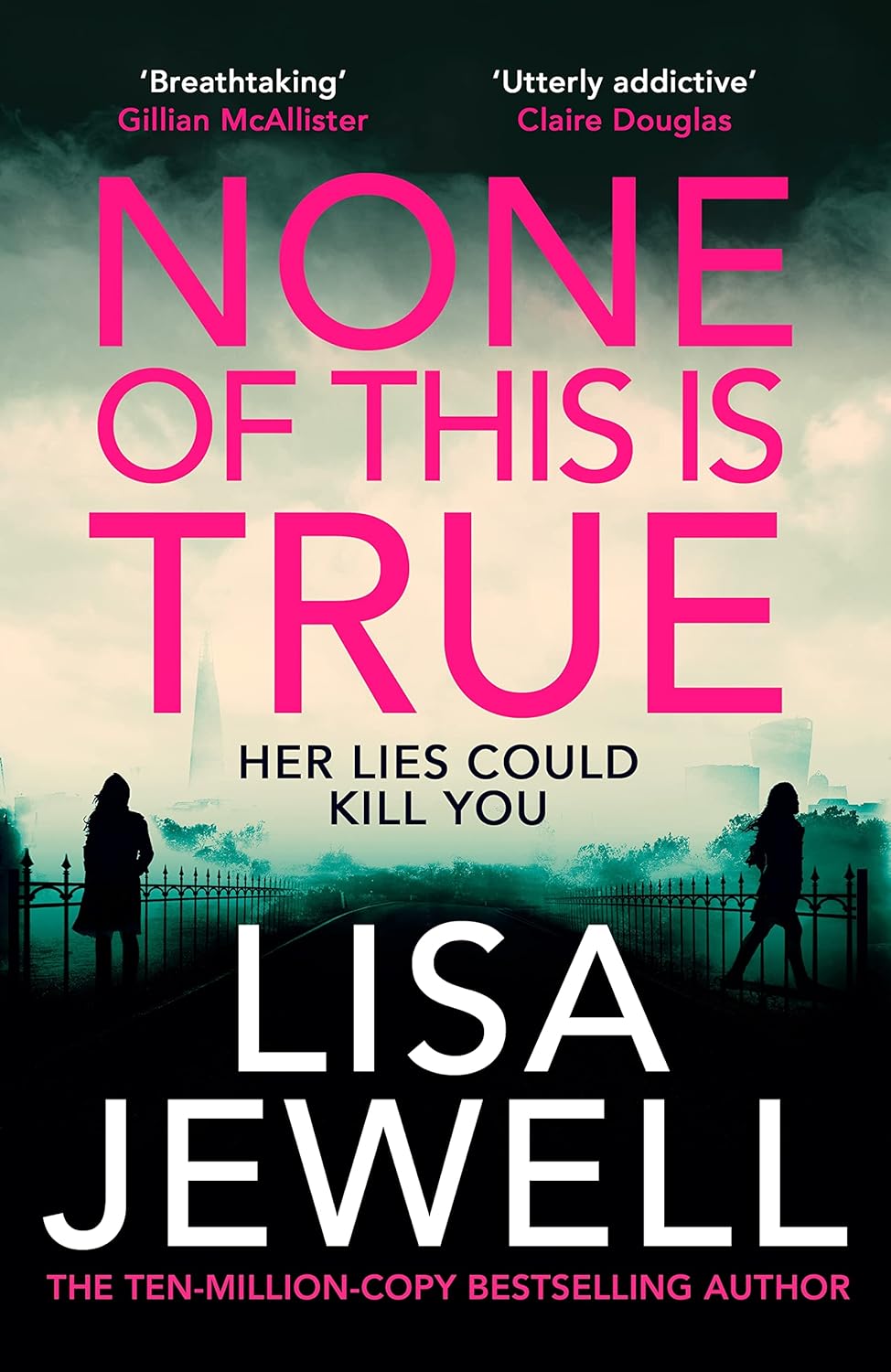
Crime thriller / Police procedural
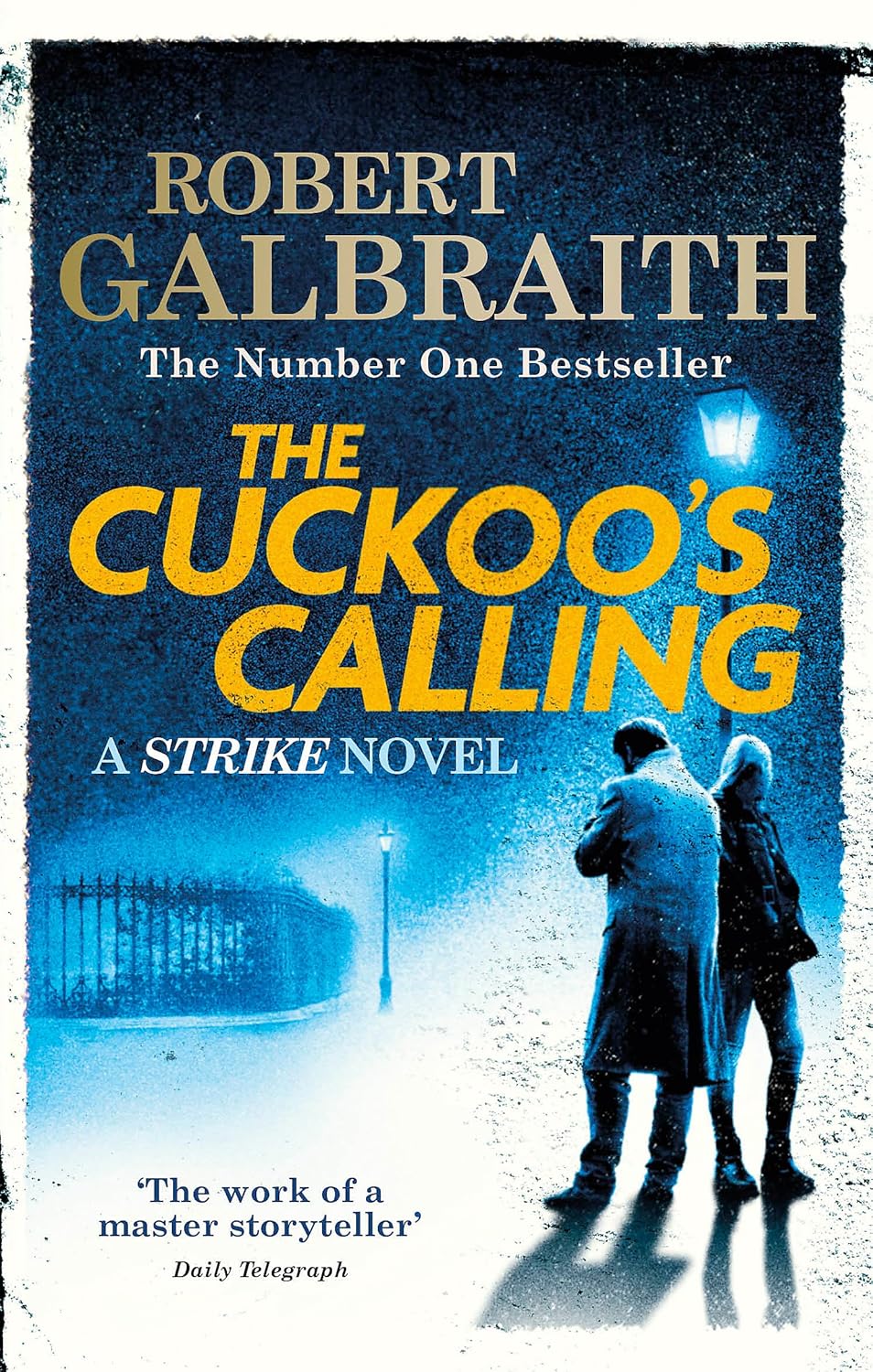
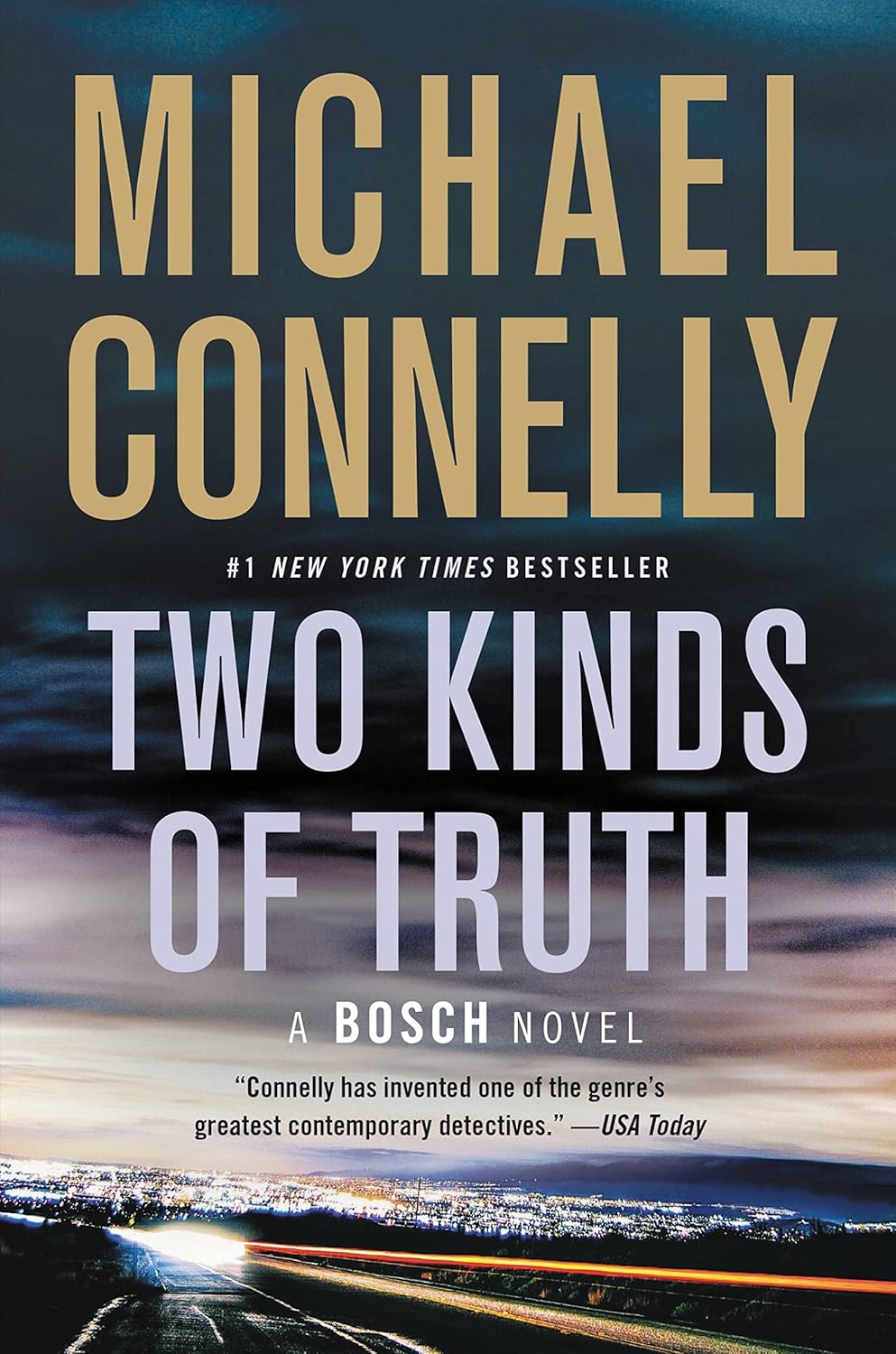
Murders, missing children and troubled detectives
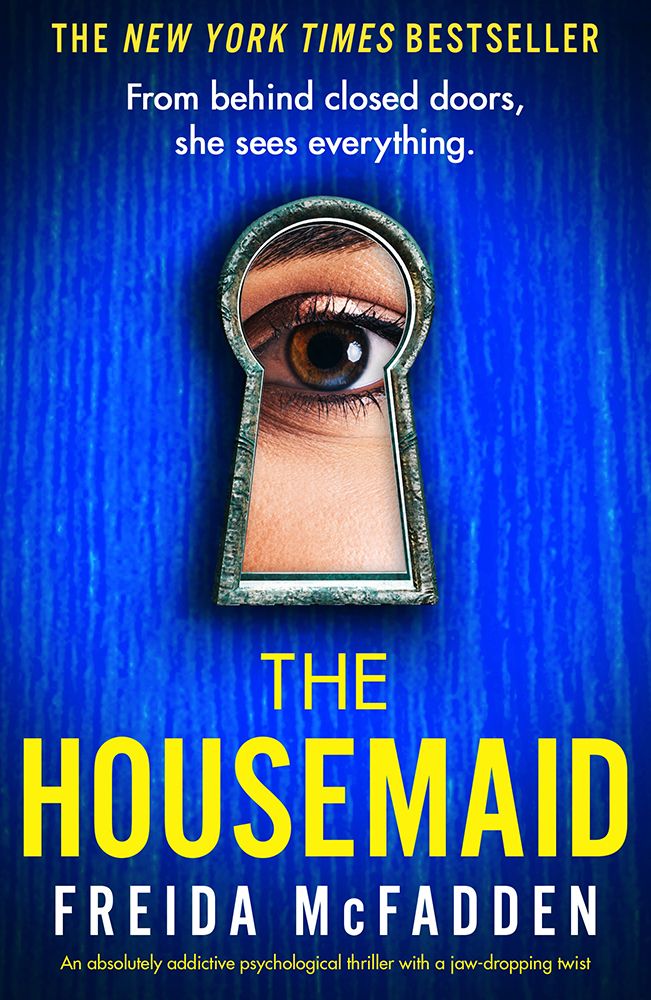
Psychological thriller
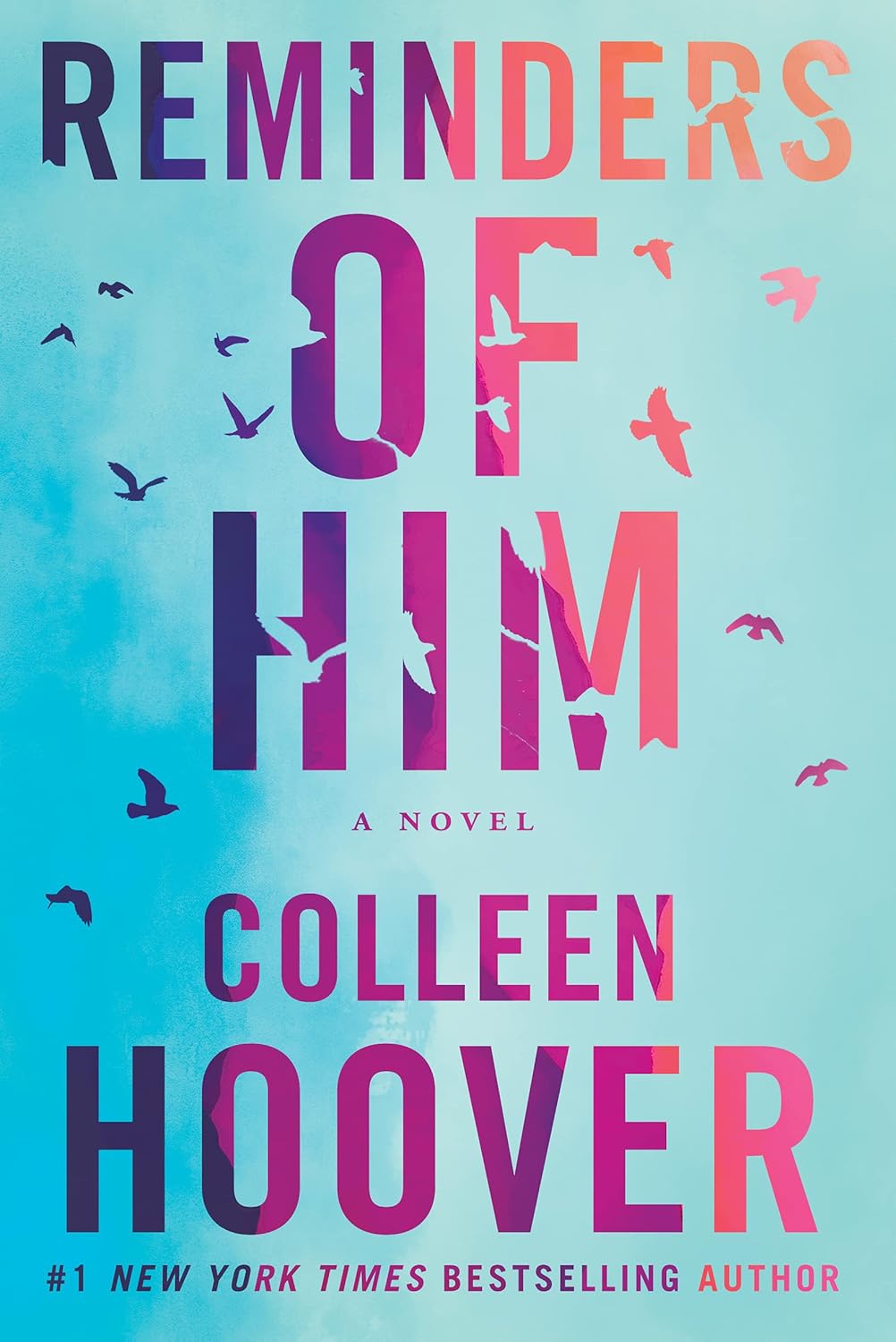
Romance
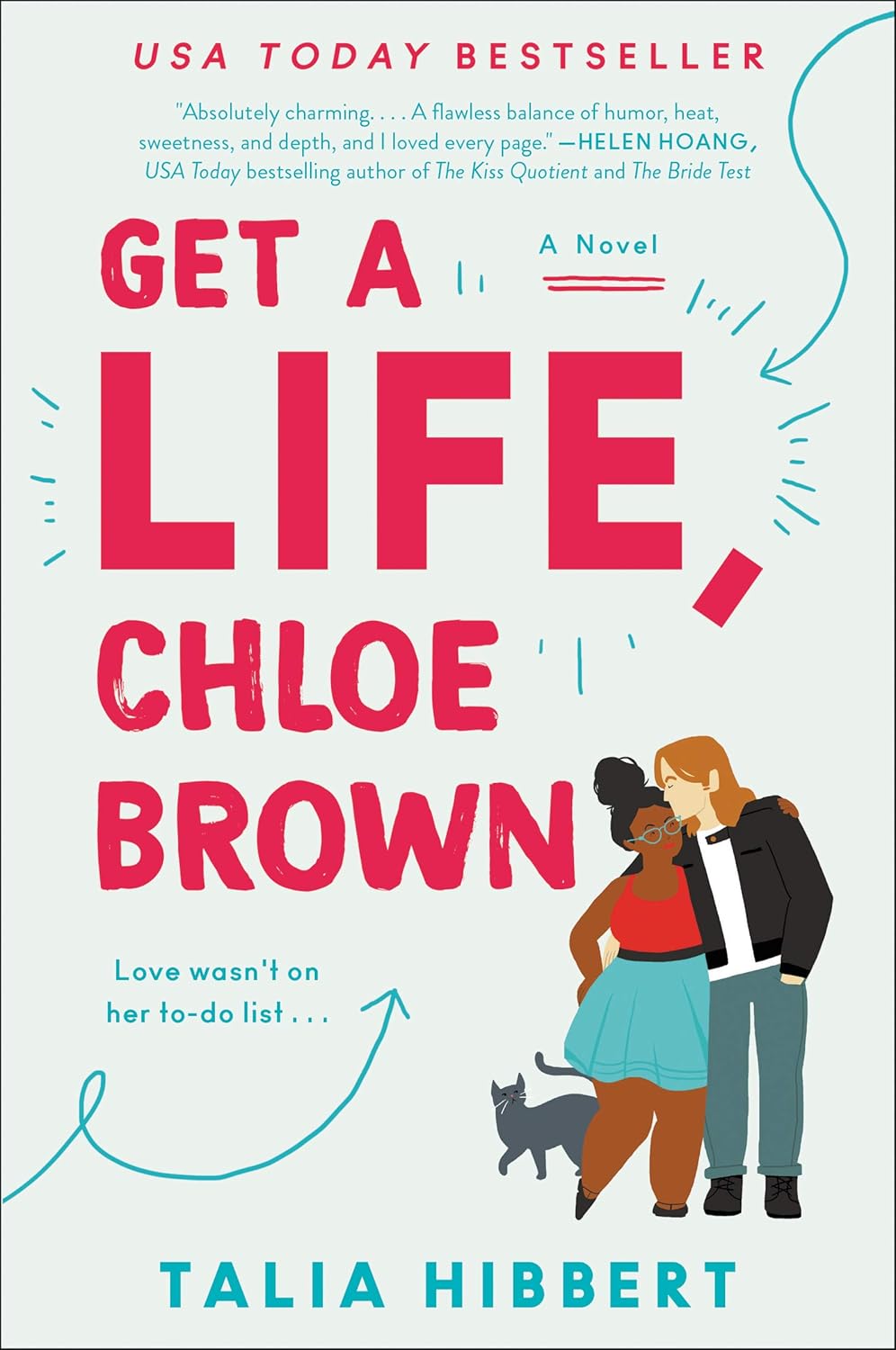
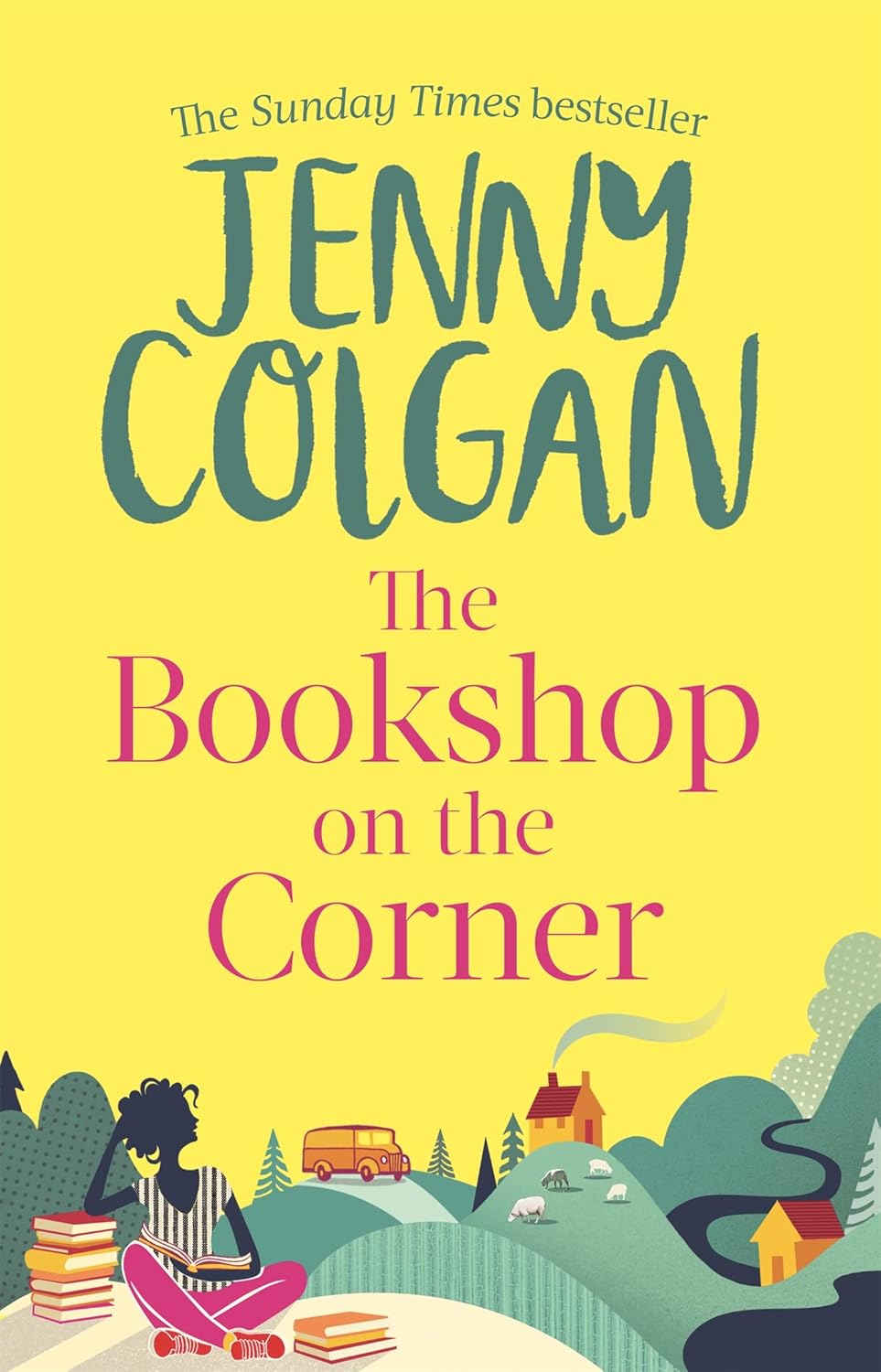
Women’s fiction
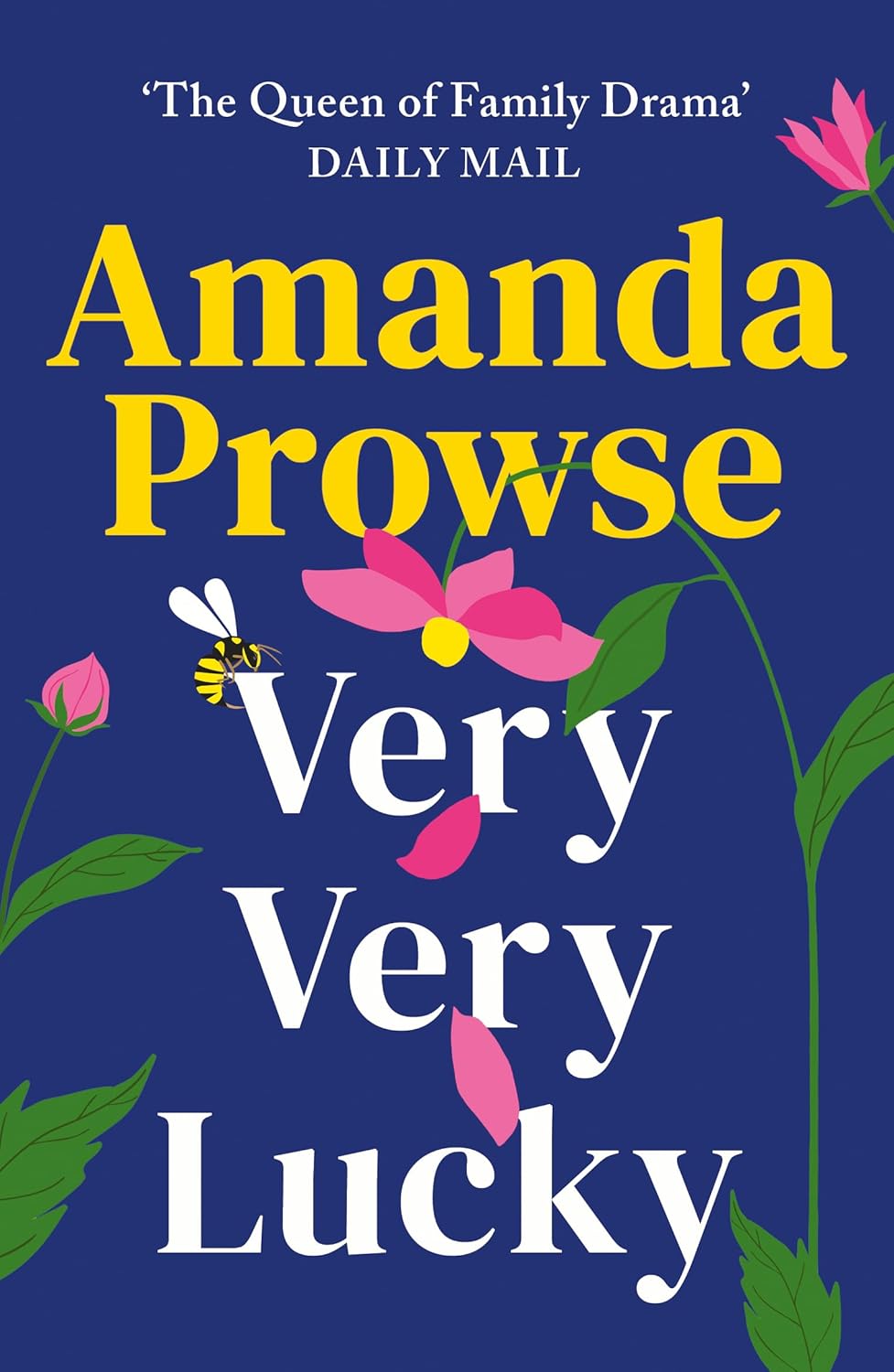
Historical fiction
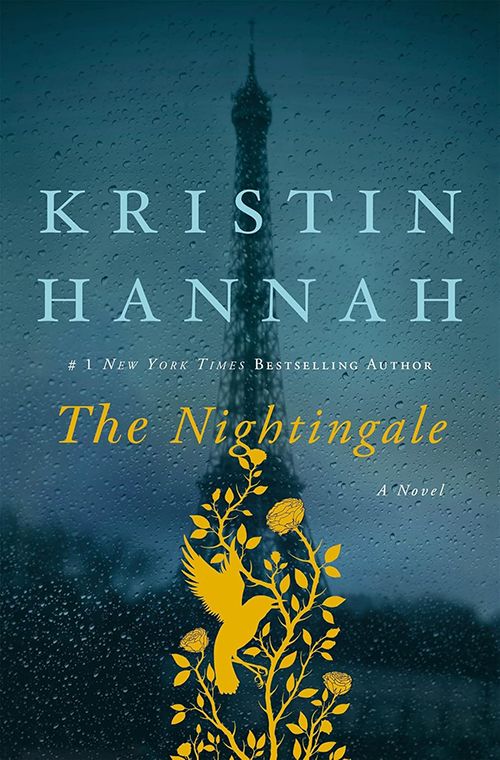
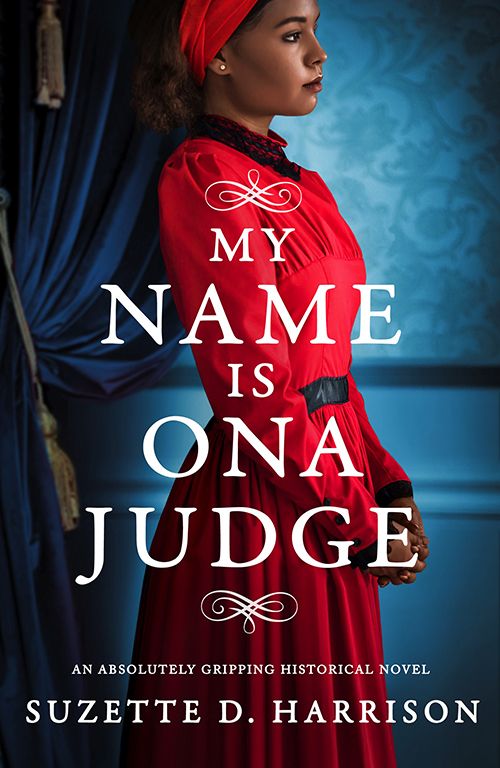
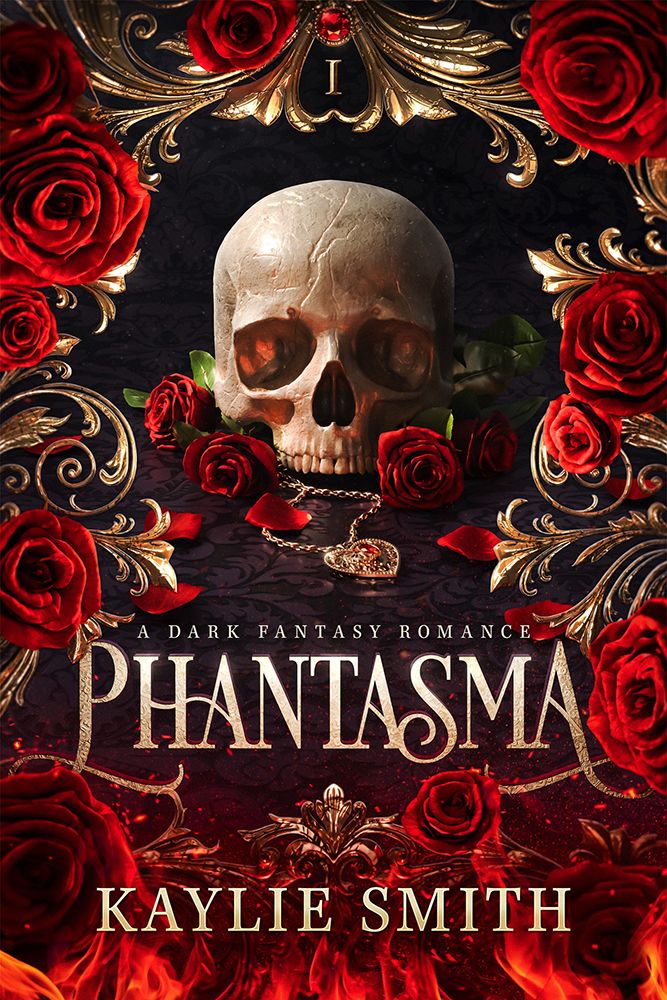
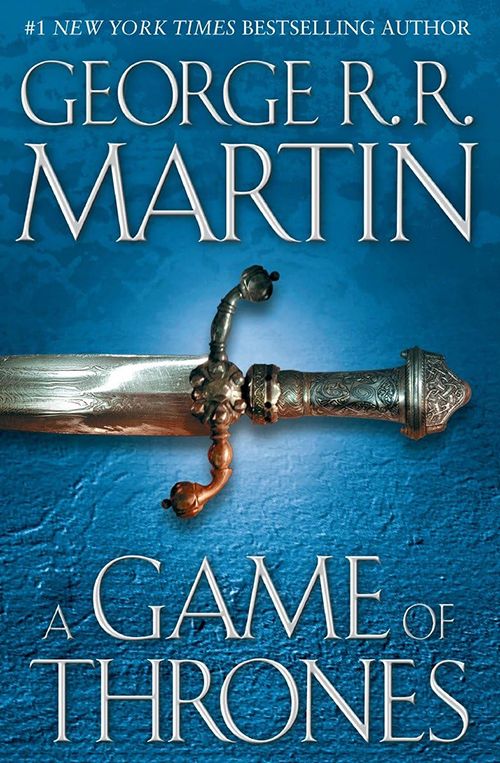
Science Fiction and Fantasy (SFF)
What if my book fits more than one genre?
Don’t worry! Most books blend at least a little between genres, especially between subgenres of the same broader category. Usually, one genre will lead. Write for that audience. If you’re blending two extremely different genres and there’s nothing like it in the market, it’s possible you’re writing something that we’d label ‘book club’ or even literary. But if you don’t feel the writing style warrants these more literary labels, take a step back and ask: who is this book for? Be wary of writing for yourself alone. It’s a common problem that by bringing together several genres, none of the audiences are satisfied.
Editor’s Tip
The blank page just got less scary
Remember, genre is a creative tool, an instrument that you must learn to play in your own way. Choose one you love. Once you truly understand it, you’ll be set free from the constant worry of what to write. You’ll find your flow and lose yourself in the fun of inventing worlds and characters that surprise your readers, in the secure knowledge that you will also satisfy them.
Frequently asked questions
Does my genre have to be final before I start writing?
Exploratory writing, scenes that pop into your head, automatic writing with no rules – if you feel the urge to write, go for it! You might discover something new. But we recommend deciding on your genre before you start to write a book. It’s much harder to get to the end if you don’t know what it is that you’re writing.
Do I always have to write the same genre?
It helps to stick to one genre when building an audience. You also learn something with every book, so focusing on one genre will help you master it more quickly. If you want to explore different genres, doing that before publication might be an important part of your process. Once established, it’s common to try other genres – but make sure not to neglect your existing fans.
What if I want to include something that doesn’t fit my genre?
Evaluate the size of the risk. Dig deep into what readers of your genre love and expect, and find their red lines. Every genre has them. Your idea might be the inspired genre-blending element that taps into a deep insight about your audience and makes your book stand out from the crowd… or it could hit your readers’ off button. You don’t want to jolt readers out of your story, and nothing jars like something that feels like it’s from another world.
Which genre makes the most money?
Crime and romance dominate the main book-buying markets, but that doesn’t mean these genres will make you the most money. The competition in crime and romance is greater than in others. Find the genre that speaks to you – the one you will write best.
Is writing genre fiction less respected than literary fiction?
Genre fiction sometimes gets a bad rap – dismissed as formulaic, lowest-common-denominator stuff. We'd say plenty of these stories look similar on the surface – look closer and they're all doing their own thing. Are some genre books bad? Absolutely, but so are some literary ones. And honestly, "accessible to everyone" isn't an insult – even the snobbiest literary purists secretly love a “trashy” show with a glass of wine. Different skills are involved at different ends of the literary spectrum, but the absolute best of both brings together these skills – style, innovation, characters who jump off the page and a story you can’t put down.
Your next
chapter awaits

Featured pages

Copyright Storyfire Ltd. © 2026