Resource
What is commercial
fiction
You love reading. You love writing. But do you love commercial fiction? What exactly is it?
All fiction is made-up – invented stories with characters that have been imagined by the author. Full-length fiction books are also called novels. These tend to be classed as either commercial or literary. But what do these terms mean?
Well, let’s think about the word ‘commercial’ itself. Commercial is to do with making a profit – if a business is commercial, it aims to make money. Take commercial music, such as that created by Taylor Swift or Beyoncé Knowles. Their songs appeal to a wide range of people – the ‘pop’ in pop star is short for ‘popular’, after all! – and so their music is streamed and purchased by millions of listeners.
All fiction is made-up – invented stories with characters that have been imagined by the author. Full-length fiction books are also called novels. These tend to be classed as either commercial or literary. But what do these terms mean?
Well, let’s think about the word ‘commercial’ itself. Commercial is to do with making a profit – if a business is commercial, it aims to make money. Take commercial music, such as that created by Taylor Swift or Beyoncé Knowles. Their songs appeal to a wide range of people – the ‘pop’ in pop star is short for ‘popular’, after all! – and so their music is streamed and purchased by millions of listeners.
It’s exactly the same with books. Commercial fiction aims to appeal to a broad readership, and in so doing, to be bought by a large number of people. Commercial fiction is the term used for the kind of books you are likely to see on bestseller lists or supermarket shelves. The kind of books that make people say ‘I couldn’t put it down!’. Because, perhaps most importantly, commercial fiction has page-turning plots – readers get hooked on the story and are desperate to read on to find out what happens next.
Usually, a book classed as commercial fiction will also be genre fiction. That is, it fits into a distinct, recognisable category, such as:
-
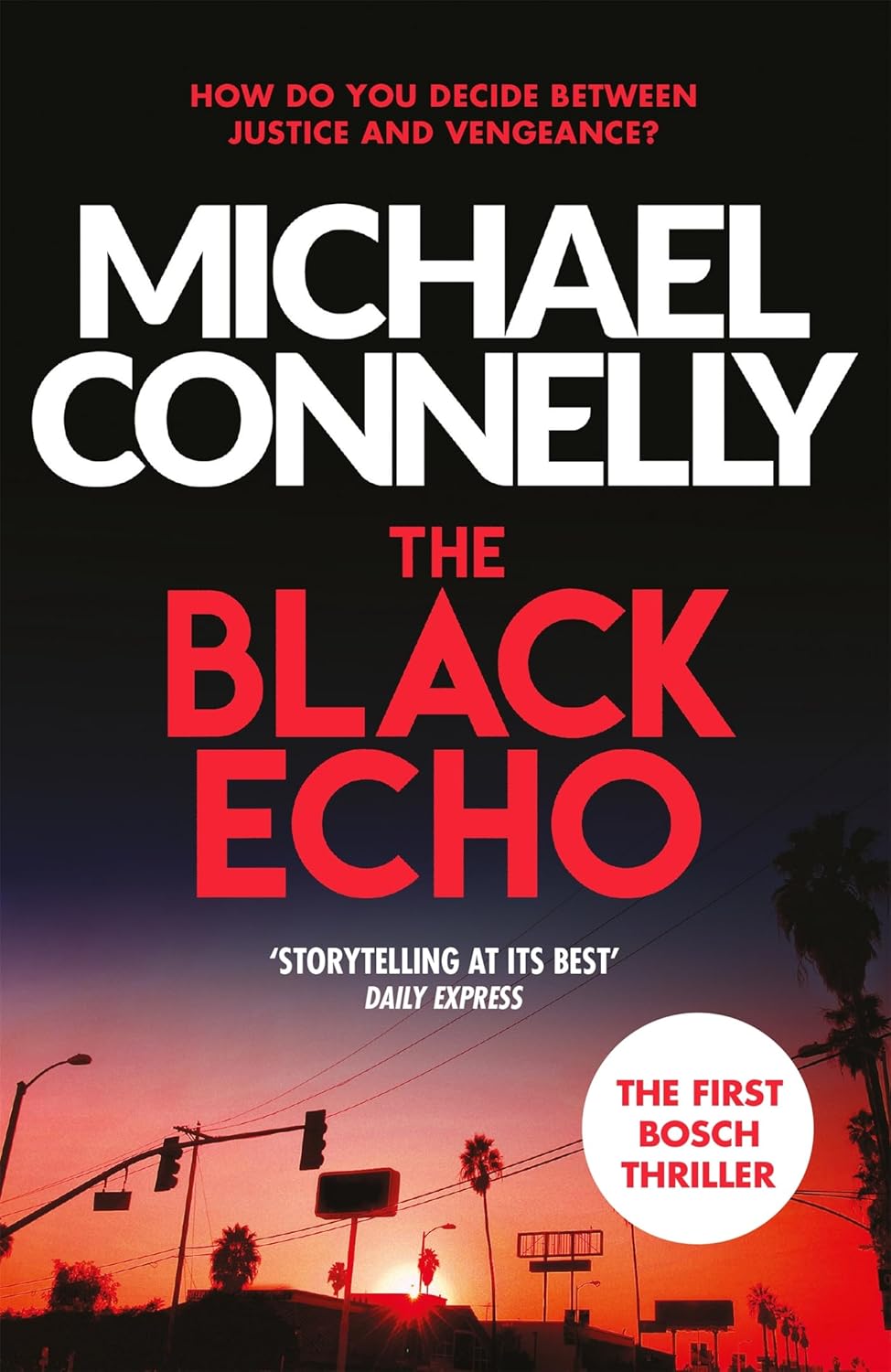
 Police procedural (the Harry Bosch series by Michael Connelly)
 -
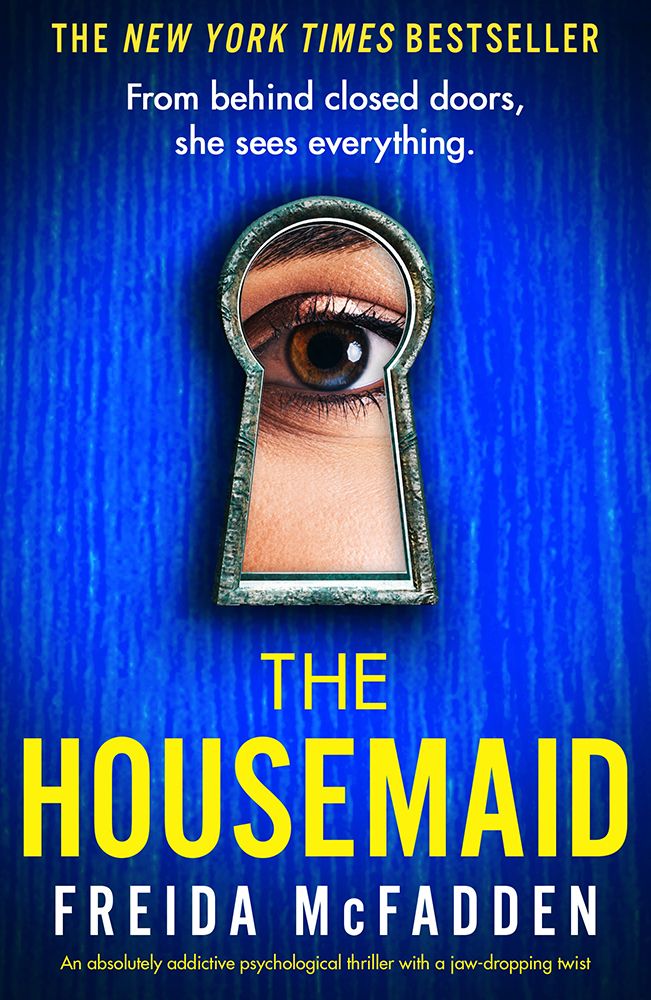
Psychological thriller (The Housemaid by Freida McFadden)
-
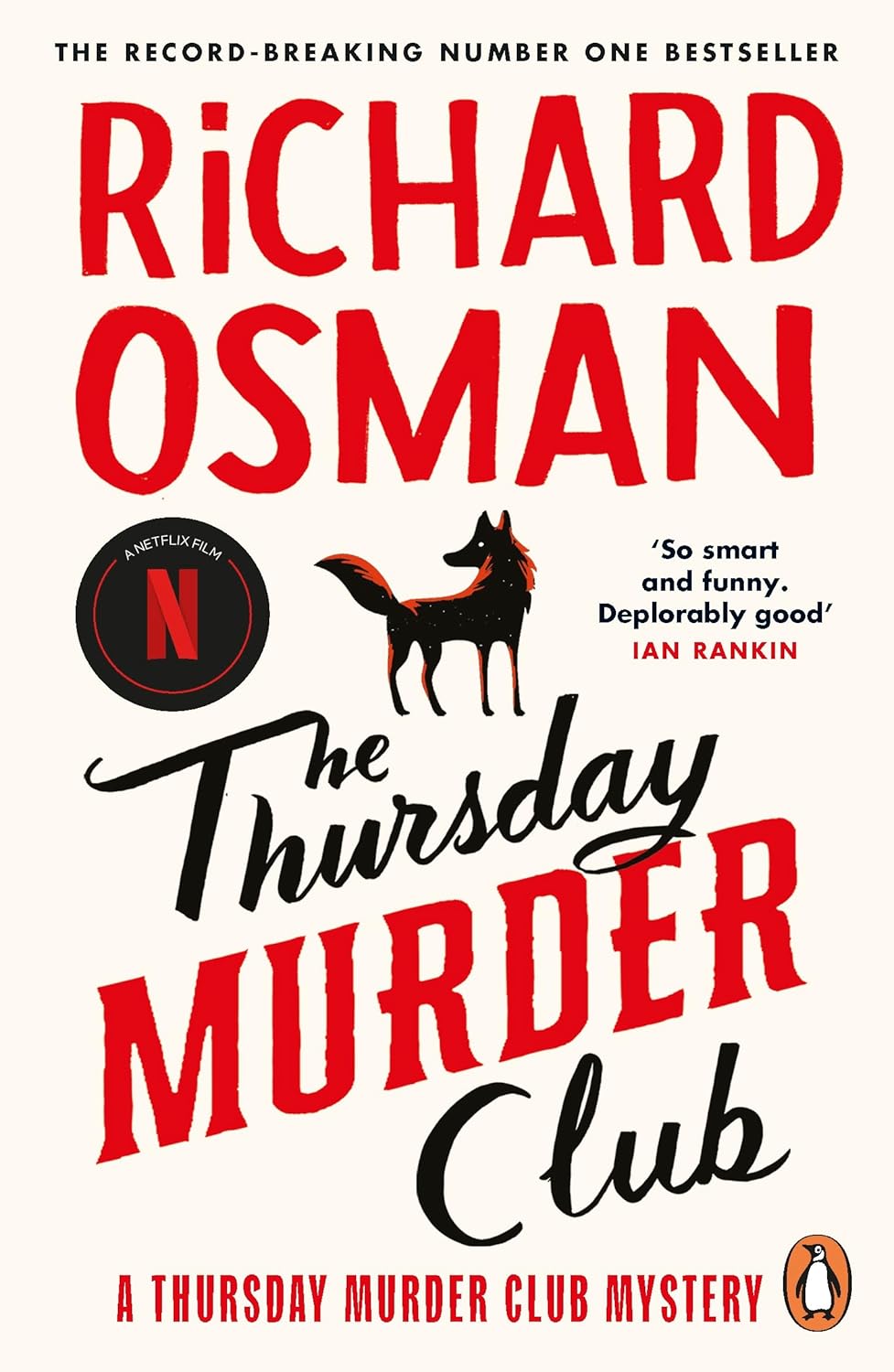
Cosy crime (The Thursday Murder Club by Richard Osman)
-
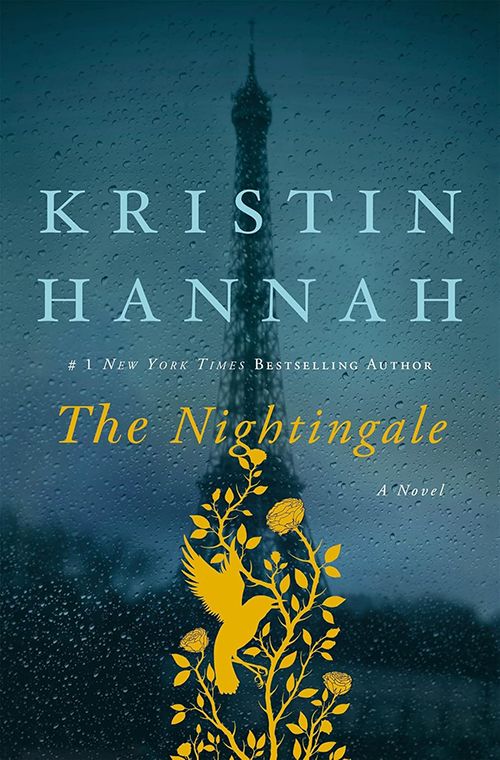
Historical fiction (The Nightingale by Kristin Hannah)
-
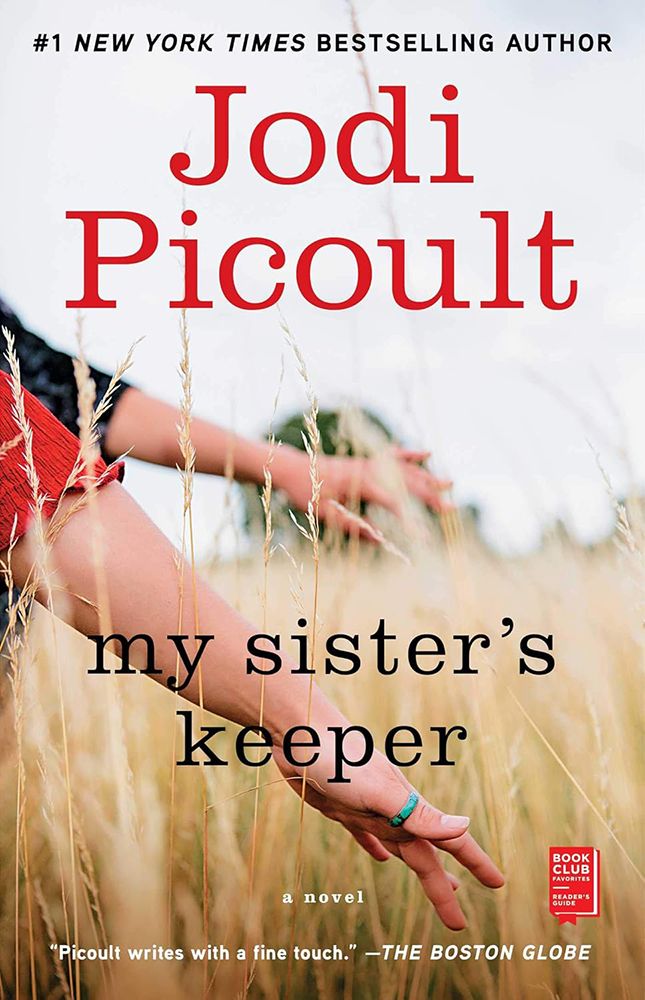
Family drama (My Sister’s Keeper by Jodi Picoult)
-
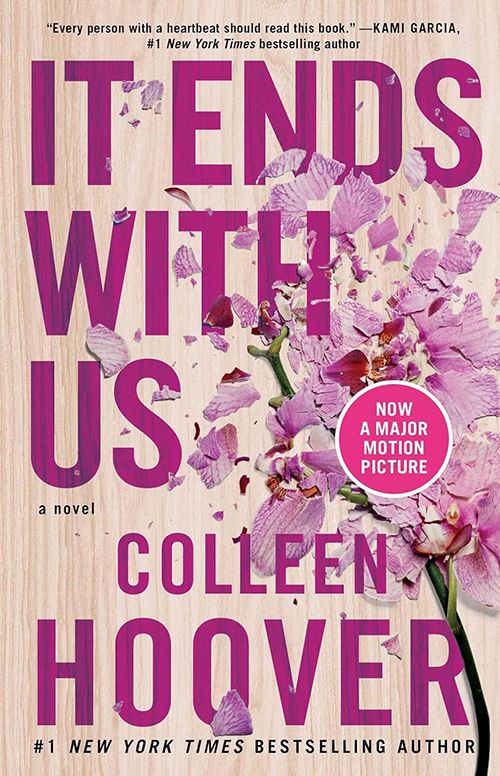
Contemporary romance (It Ends With Us by Colleen Hoover)
-
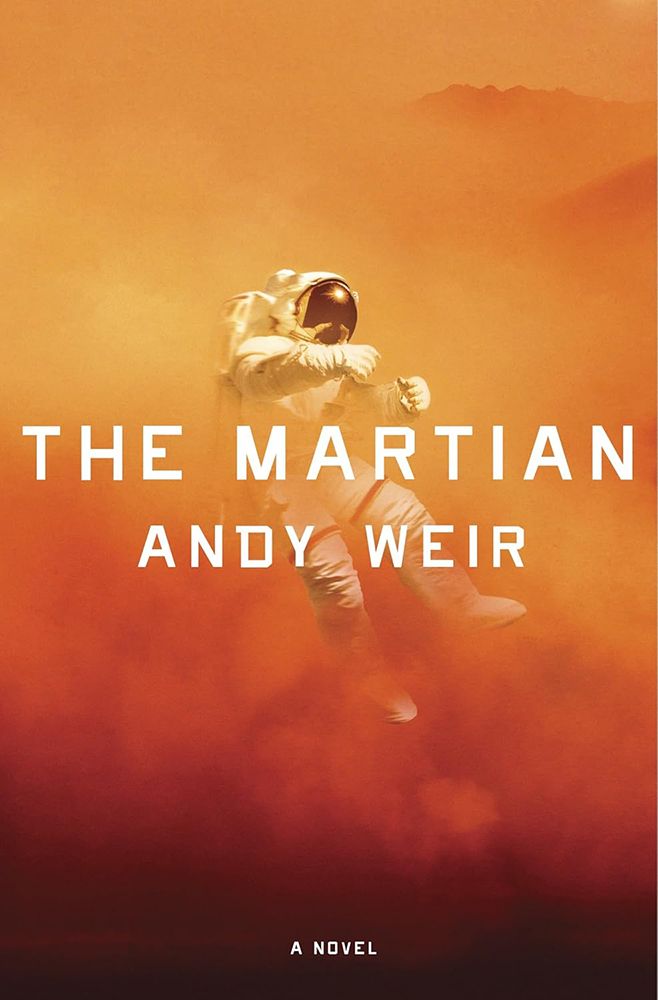
Science fiction (The Martian by Andy Weir)
-
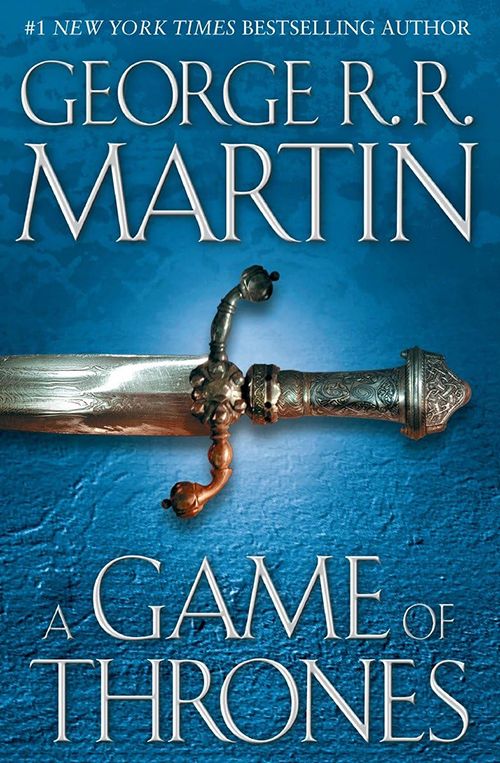
Fantasy (the A Song of Ice and Fire series by George R. R. Martin)
-
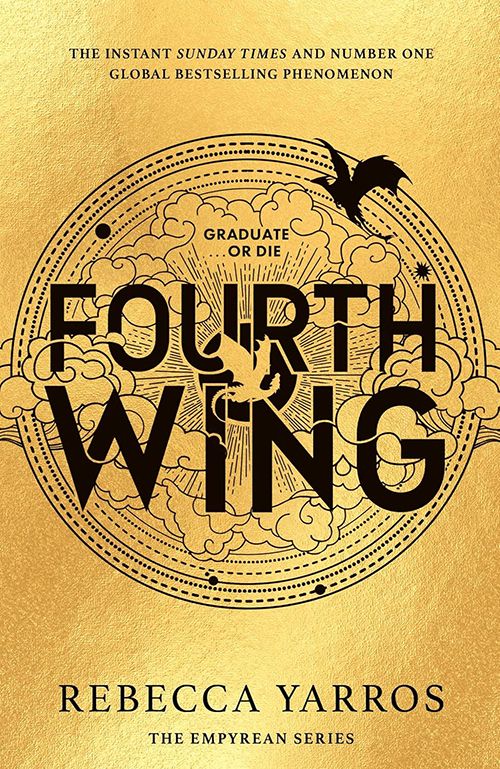
Romantasy (Fourth Wing by Rebecca Yarros)
There are lots of genres (and sub-genres!) but these are some of the most popular. Each genre has its own rules and conventions to follow – you can think of it a bit like a BLT sandwich. It might have white, brown, or rye bread. The bacon might be smoked or unsmoked or veggie. Maybe there’s extra mayonnaise or cheese… but there is always bacon, lettuce and tomato! It’s the same with genre. Each book within a particular genre will always contain certain ingredients or elements.
Take cosy crime, for example. A cosy crime book is likely to have an amateur detective as the main character. There will be a mystery to solve – but the plot won’t be too scary. Readers already know what ingredients this genre will include, they know that they find those ingredients satisfying – and they know that they want to experience them over and over again. By fitting into the cosy crime genre, the book appeals to a mainstream audience and is therefore commercial.
Literary fiction, in contrast, is more concerned with artistic merit than with appealing to a mainstream audience. These books prioritise thought-provoking themes and high-quality writing above all else. They are less likely to belong to a genre – and if they do, they probably bend its rules. And they are sometimes less concerned about having a page-turning plot!
Whereas with commercial fiction, the plot is always the star of the show. This is why writers of commercial fiction tend to plan their books to fit into a framework using five act structure. This method organises a story into five distinct stages – or acts – to create a compelling plot. Readers are hooked from the opening chapter, and eagerly embark on a journey with the relatable characters. Their minds will be blown by the midpoint twist. Towards the end of the story, at the crisis point, they will despair that all seems lost – but the resolution ties everything up and leaves the reader feeling truly satisfied with their reading experience.
Take cosy crime, for example. A cosy crime book is likely to have an amateur detective as the main character. There will be a mystery to solve – but the plot won’t be too scary. Readers already know what ingredients this genre will include, they know that they find those ingredients satisfying – and they know that they want to experience them over and over again. By fitting into the cosy crime genre, the book appeals to a mainstream audience and is therefore commercial.
Literary fiction, in contrast, is more concerned with artistic merit than with appealing to a mainstream audience. These books prioritise thought-provoking themes and high-quality writing above all else. They are less likely to belong to a genre – and if they do, they probably bend its rules. And they are sometimes less concerned about having a page-turning plot!
Whereas with commercial fiction, the plot is always the star of the show. This is why writers of commercial fiction tend to plan their books to fit into a framework using five act structure. This method organises a story into five distinct stages – or acts – to create a compelling plot. Readers are hooked from the opening chapter, and eagerly embark on a journey with the relatable characters. Their minds will be blown by the midpoint twist. Towards the end of the story, at the crisis point, they will despair that all seems lost – but the resolution ties everything up and leaves the reader feeling truly satisfied with their reading experience.
This, of course, is the primary aim of commercial fiction – reader satisfaction. A writer of commercial fiction wants their readers to be captivated by the plot, to root for the characters and to feel their expectations were fulfilled by the ending. After all, a truly satisfied reader will recommend the book to others – and go on to buy the next book, too!
Learn to write page-turning commercial fiction
Start Writing Commercial Fiction
(Self-Paced)

Start Writing Commercial Fiction
(Tutor-Led)
How to Write a
Page-Turner
(Tutor-Led)

Featured pages

Copyright Storyfire Ltd. © 2026